
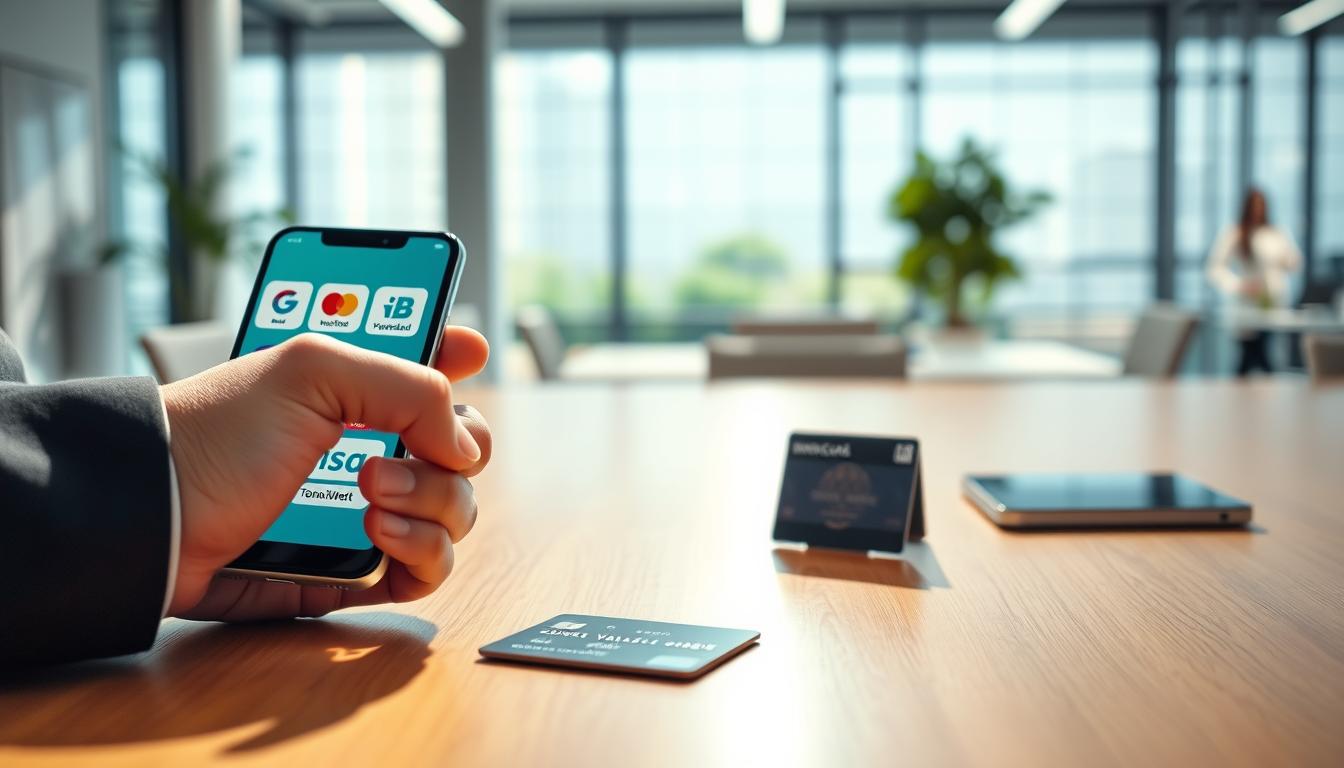
Are you ready to ditch the clutter of physical wallets and embrace a more streamlined way of making payments? With the rise of e-wallet services and mobile payment options, the way we transact is undergoing a significant transformation.
The integration of digital wallets and credit cards is revolutionizing the payment landscape, offering users a convenient, secure, and efficient way to manage their finances. This shift is not just about technology; it’s about changing consumer behaviors and preferences.
As we move towards a more cashless society, understanding the dynamics of digital wallets and credit cards becomes crucial. This article will explore how these payment methods are shaping the future of transactions.
Key Takeaways
- The rise of e-wallet services is changing how we make payments.
- Digital wallets and credit cards are becoming increasingly integrated.
- Mobile payment options are offering users more convenience and security.
- The shift to digital payments is driven by changing consumer behaviors.
- Understanding digital wallets and credit cards is key to navigating the future of payments.
Understanding Digital Wallets and Credit Cards in Today’s Economy
The rise of digital payment solutions has transformed the way we make transactions, making it essential to understand digital wallets and credit cards. As we increasingly rely on our smartphones and digital devices for financial transactions, it’s crucial to grasp how these technologies work and their implications for our financial lives.
What Are Digital Wallets and How Do They Work?
Digital wallets, also known as e-wallets, are software applications that store users’ payment information, such as credit or debit card details, allowing them to make transactions online or in-person. They use Near Field Communication (NFC) technology to facilitate contactless payments.
Some of the most popular digital wallet platforms include:
- Apple Pay
- Google Pay
- Amazon Pay
- PayPal
Types of Transactions Supported
Digital wallets support various types of transactions, including:
- In-store purchases
- Online transactions
- Peer-to-peer payments
The Evolution of Credit Cards in the Digital Age
Credit cards have undergone significant changes in the digital age, with the introduction of contactless payment technology and virtual credit cards. These innovations have enhanced the security and convenience of credit card transactions, making them a staple in digital payment solutions.
As digital payment solutions continue to evolve, understanding the interplay between digital wallets and credit cards is vital for navigating the future of payments.
Benefits of Using Digital Wallets and Credit Cards Together
Combining digital wallets with credit cards offers a plethora of benefits that enhance the payment experience. This synergy allows users to enjoy a more streamlined, secure, and rewarding financial management process.
Convenience and Accessibility
One of the primary advantages of using digital wallets with credit cards is the convenience and accessibility they offer. With contactless payment methods becoming increasingly popular, users can make transactions with just a tap of their device. This eliminates the need to carry physical cards or cash, making it easier to pay for goods and services on the go.
Electronic wallet applications are designed to be user-friendly, allowing users to easily add, manage, and use their credit cards within the app. This accessibility is particularly beneficial for individuals who are always on the move.

Enhanced Security Features
Digital wallets and credit cards together provide enhanced security features that protect users from potential fraud and unauthorized transactions. Digital wallets use advanced encryption and tokenization to secure user data, while credit cards offer robust fraud protection measures.
By combining these two, users can enjoy an additional layer of security, making transactions more secure and reducing the risk of financial loss.
Rewards and Cashback Opportunities
Using digital wallets with credit cards also opens up a world of rewards and cashback opportunities. Many credit cards offer rewards programs that provide cashback, points, or travel miles for using the card for purchases.
By using a digital wallet to make transactions, users can still earn these rewards, and in some cases, they may even receive additional benefits, such as exclusive discounts or bonus points.
Streamlined Financial Management
Finally, combining digital wallets and credit cards helps in streamlined financial management. Digital wallets allow users to track their transactions, monitor their spending, and manage their credit card accounts in one place.
This integrated approach to financial management makes it easier for users to stay on top of their finances, make informed decisions, and avoid overspending.
How to Set Up and Use Digital Wallets with Credit Cards
Setting up a digital wallet with your credit card is a straightforward process that can significantly enhance your payment experience. With the rise of mobile wallet technology, it’s easier than ever to make payments using your smartphone or other devices.
Step 1: Choosing the Right Digital Wallet for Your Needs
To get started, you need to choose a digital wallet that suits your needs. Consider the types of devices you use and the banks you are associated with.
Comparing Apple Pay, Google Pay, and Samsung Pay
Popular digital wallets include Apple Pay, Google Pay, and Samsung Pay. Each has its unique features and compatibility with different devices. For instance, Apple Pay works seamlessly with Apple devices, while Google Pay is ideal for Android users.
Bank-Specific Digital Wallet Options
Some banks offer their own digital wallet solutions. It’s worth checking with your bank to see if they have a digital wallet that you can use.
Step 2: Adding Your Credit Cards to Your Digital Wallet
Once you’ve chosen your digital wallet, the next step is to add your credit card. This process typically involves verifying your card details.
Verification Processes Explained
The verification process may vary depending on your bank and digital wallet. Some banks may require additional verification steps for security purposes.
Managing Multiple Cards in One Wallet
Most digital wallets allow you to add multiple cards. You can usually set a default card for payments or choose which card to use at the point of sale.
Step 3: Making In-Store Purchases with Your Digital Wallet
Making in-store purchases with your digital wallet is simple and secure, thanks to NFC technology.
Using NFC Technology for Contactless Payments
NFC (Near Field Communication) technology enables contactless payments. Simply hold your device near the payment terminal to complete a transaction.
Merchant Compatibility Considerations
Not all merchants accept contactless payments. Look for the contactless payment logo at checkout to ensure compatibility.
Step 4: Making Online Purchases with Your Digital Wallet
Digital wallets can also be used for online purchases, providing an additional layer of security by not sharing your actual card details with merchants.
Step 5: Setting Up Automatic Payments and Subscriptions
You can use your digital wallet to set up automatic payments and subscriptions, making it easier to manage recurring payments.
Troubleshooting Common Issues
If you encounter issues with your digital wallet, such as a failed transaction, check that your device and wallet app are updated. Contact your bank or the digital wallet support for further assistance.
Security Best Practices for Digital Payments
The rise of digital wallets and contactless payment methods has heightened the need for robust security measures. As we increasingly rely on digital transactions, understanding how to secure our financial information is crucial.
Protecting Your Digital Wallet from Unauthorized Access
To safeguard your digital wallet, it’s essential to implement strong security protocols. This includes utilizing advanced authentication methods and maintaining password integrity.
Biometric Authentication Options
Biometric authentication, such as facial recognition or fingerprint scanning, adds a significant layer of security to your digital wallet. Enabling biometric authentication ensures that only you can access your digital payment methods.
Strong Password Practices
Using strong, unique passwords for your digital wallet and associated accounts is vital. Avoid using easily guessable information and consider using a password manager to keep track of complex passwords.
What to Do If Your Device Is Lost or Stolen
If your device is lost or stolen, immediately suspend or cancel your digital wallet to prevent unauthorized transactions. Contact your bank or digital wallet provider to report the incident and follow their guidance on securing your account.

Understanding Fraud Protection for Digital Transactions
Many digital wallet services and credit card companies offer fraud protection for digital transactions. Familiarize yourself with the terms of this protection, including how to report suspicious activity and what is covered.
Monitoring Your Accounts for Suspicious Activity
Regularly monitoring your account statements for any suspicious activity is crucial. Set up transaction alerts to notify you of unusual activity, and report any discrepancies to your financial institution promptly.
By following these security best practices, you can significantly reduce the risk associated with digital payments and enjoy the convenience they offer with greater peace of mind.
Conclusion: Embracing the Future of Digital Payments
As we’ve explored, digital wallets and credit cards are transforming the way we make transactions, offering a convenient, secure, and rewarding payment experience. By combining these two technologies, users can enjoy the benefits of digital payment solutions, including virtual payment methods and mobile payment options.
The future of payments is undoubtedly digital, with digital wallets and credit cards leading the charge. As more businesses and consumers adopt these technologies, we can expect to see continued innovation and improvement in the digital payment landscape.
By embracing digital payment solutions, individuals can take control of their financial management, enjoying streamlined transactions and enhanced security features. Whether you’re making in-store purchases or online transactions, digital wallets and credit cards offer a flexible and convenient payment solution.
As the digital payment landscape continues to evolve, it’s clear that digital wallets and credit cards will play a major role in shaping the future of transactions. With their combined benefits and continued innovation, these technologies are poised to revolutionize the way we pay.
FAQ
What is a digital wallet, and how does it work?
A digital wallet is a software-based system that securely stores your payment information, such as credit or debit card details, allowing you to make transactions online or in-person using your mobile device or computer. It uses technologies like NFC, tokenization, and encryption to protect your data.
Can I use multiple credit cards with a digital wallet?
Yes, most digital wallets, such as Apple Pay, Google Pay, and Samsung Pay, allow you to add and manage multiple credit cards, making it easy to switch between them for different transactions.
Are digital wallet transactions secure?
Digital wallet transactions are considered secure due to the use of advanced security measures like tokenization, encryption, and biometric authentication. Additionally, digital wallets often have zero-liability policies, protecting you from unauthorized transactions.
How do I add a credit card to my digital wallet?
To add a credit card to your digital wallet, you typically need to open the digital wallet app, select the option to add a new card, and follow the prompts to enter your card details. You may be required to verify your identity through a verification process.
Can I use my digital wallet for online transactions?
Yes, many digital wallets, such as PayPal, Apple Pay, and Google Pay, can be used for online transactions, providing a convenient and secure checkout experience.
What happens if my device is lost or stolen, and I have a digital wallet on it?
If your device is lost or stolen, you should immediately suspend or delete your digital wallet to prevent unauthorized access. Most digital wallets allow you to do this remotely through their website or app.
Are there any fees associated with using a digital wallet?
Generally, there are no fees associated with using a digital wallet. However, some digital wallets may charge for specific services, such as instant transfers or foreign transactions, so it’s essential to review the terms and conditions.
Can I earn rewards or cashback with digital wallet transactions?
Yes, many credit cards offer rewards or cashback on transactions made through digital wallets. Check with your credit card issuer to understand the rewards and cashback opportunities available.
How do I know if a merchant accepts digital wallet payments?
Merchants often display logos or signs indicating which digital wallets they accept, such as Apple Pay or Google Pay. You can also check the merchant’s website or ask their staff to confirm.
Can I use digital wallets for recurring payments or subscriptions?
Yes, many digital wallets allow you to set up recurring payments or subscriptions, making it convenient to manage your regular expenses.